Delving into the world of gemstones, I’ve been captivated by many dazzling wonders, and among them, SI diamonds have a special place in my heart. So if you’re wondering what are SI diamonds, let me tell you they embody a harmonious blend of sophistication and brilliance that’s hard to find elsewhere. These diamonds are more than just symbols of opulence; they narrate an intricate tale of Earth’s marvel and human craftsmanship.
As I share with you through this article, we’ll explore the secrets behind SI diamonds, shedding light on their enchanting allure. Come with me, and together, let’s illuminate the mystique of these treasured jewels.
Key Takeaways
- SI diamonds have noticeable inclusions, but their visibility can depend on factors like cut and shape.
- SI diamonds offer a good balance between quality and price, making them more affordable compared to higher clarity grades.
- Personal preferences play a role in selecting SI diamonds, as some individuals prioritize a cleaner look while others are fine with inclusions as long as they don’t affect beauty.
- Careful examination of inclusions is necessary, and consulting the diamond certificate for clarity information is important in making an informed purchase decision.
What Are SI Diamonds?
SI diamonds are those that have “Slight Inclusions” and these inclusions are often minute imperfections or blemishes within the diamond, which can sometimes be seen under 10x magnification. But here’s the thing: while some might view inclusions as flaws, I’ve come to appreciate them as natural birthmarks that give each diamond its unique character. These slight inclusions mean that the diamond isn’t absolutely flawless, but it’s still beautiful and often more affordable than higher-grade diamonds.
Think of them like the freckles on a face, adding personality and distinction. In the vast spectrum of diamond grading, SI diamonds strike a lovely balance between clarity, beauty, and value. For someone like me, who values both aesthetics and the stories behind each gem, SI diamonds offer a captivating blend of both.

What Does Diamond Clarity SI Mean?
In my explorations of the diamond world, I’ve often come across the term “diamond clarity SI.” So, what does it signify? “SI” stands for “Slight Inclusions.” It refers to diamonds that have small imperfections or blemishes, usually visible under 10x magnification but often not noticeable to the naked eye. These inclusions can be like tiny birthmarks inside the diamond, making each one distinct.
For me, understanding diamond clarity, especially the SI grade, is all about appreciating the balance between natural beauty and perfection. It reminds me that even in their slight imperfections, there’s a unique story and beauty to be discovered.
Popularity of SI Clarity Diamonds
Throughout my deep dive into the world of diamonds, I’ve observed a rising trend: the popularity of Si clarity diamonds. Many find themselves drawn to these gems, and it’s easy to understand why. Si diamonds offer a delightful compromise between quality and price. To the untrained eye, the inclusions in these diamonds are often barely discernible, making them a preferred choice for those seeking value without compromising much on aesthetics.
Now, speaking of inclusions, there are a few common types of SI diamonds.
1. Feather inclusions: These resemble tiny cracks or fractures within the diamond.
2. Clouds: Clusters of minuscule crystals that might give the diamond a slightly hazy appearance.
3. Pinpoints: Tiny dots or specks seen within the diamond. They’re often small and might be challenging to spot without magnification.
4. Crystals: These are minerals or even other diamonds trapped inside the primary diamond.
It’s fascinating to think about how these inclusions form, and in many ways, they serve as a testament to a diamond’s unique journey from deep beneath the Earth’s surface.
The Difference Between SI1 and SI2
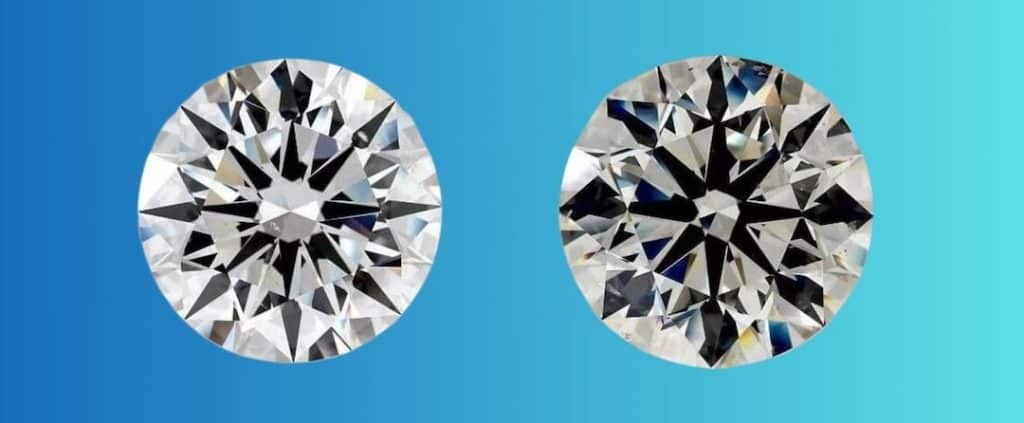
I’ve noticed distinct differences while researching when comparing SI1 and SI2 clarity grades:
1. SI1 diamonds generally exhibit fewer inclusions than their SI2 counterparts.
2. In terms of pricing, SI1 diamonds usually come with a higher tag.
3. Though SI1 and SI2 diamonds have similar inclusion types, in SI2 diamonds, these inclusions tend to be larger and more frequent.
If you take a look through my perspective, these variations play a pivotal role in a diamond’s overall quality and value. A diamond with fewer and smaller inclusions usually gets a higher clarity grade, which is why I’ve seen SI1 diamonds fetch higher prices than SI2s.
While both grades can be eye-clean, I sometimes find an SI2 diamond slightly less brilliant or a tad hazy compared to an SI1. For anyone like me who deeply values clarity, these nuances are essential when selecting that perfect gem.
Comparing SI with VS Diamonds
When I compare SI to VS diamonds, it’s primarily about the clarity and visibility of inclusions. SI diamonds, short for Slightly Included, have inclusions visible under 10x magnification. These might impact the diamond’s appearance but can be a fit for those balancing size or budget priorities.
VS diamonds, meaning Very Slightly Included, have subtler inclusions, challenging to spot even under magnification. The difference in visibility is clear: VS1 inclusions are harder to detect than VS2.
If you ask me, choosing between SI and VS boils down to personal preferences and priorities. While a VS diamond offers cleaner aesthetics, it might be pricier. An almost eye-clean SI diamond can be a beautiful and budget-friendly alternative.
Is an SI Diamond Right for Me?

When I’m selecting a diamond, weighing appearance, budget, and personal preferences is crucial to see if an SI clarity grade matches what I’m looking for. Here are my distilled thoughts:
1. Appearance: While SI diamonds can have visible inclusions, the cut and shape play a role in their prominence. For instance, cushion or oval cuts can somewhat mask these inclusions, amplifying the diamond’s glow.
2. Budget: SI diamonds strike a nice middle ground, offering beauty at a more affordable rate than higher clarity grades like VS or VVS.
3. Personal Taste: I’ve met folks who don’t mind some visible inclusions, valuing the diamond’s overall charm, while others lean towards cleaner, higher clarity grades.
4. Inclusion Insights: Always check the inclusions’ location and type. Avoiding those compromising the diamond’s structure is a must, but minor blemishes or specks might be okay if they don’t hinder its strength.
Tips For Buying SI Diamonds
Maneuvering in the glitz of SI diamonds will prove to be an enlightening experience. While these gems radiate brilliance and offer affordability, ensuring a worthy purchase requires a discerning eye and knowledge. Here are some personal tips I’ve gathered for buying SI diamonds:
1. Know the Imperfections: Familiarize yourself with typical SI diamond imperfections, such as inclusions, cloudy formations, pinpricks, feathers, and twinning wisps. Pay special attention to their placement – avoid diamonds with flaws visible through the center table or those near the surface.
2. Consult the Clarity Plot: A diamond’s certificate typically includes a clarity plot, a handy diagram outlining visible imperfections. This will give you insight into the stone’s unique characteristics.
3. Mind the Durability: Be wary of large inclusions; they can jeopardize the diamond’s structural integrity, making it more susceptible to damage, especially if they’re close to the surface.
4. Choose the Right Cut: Some diamond cuts mask imperfections better than others. Brilliant cuts, like round or oval, tend to be more forgiving of inclusions. Conversely, with step-cut diamonds such as Asscher or emerald cuts, I’d recommend aiming for higher clarity grades like VS1 for the best aesthetics.
Armed with these insights, you’ll be better prepared to find an SI diamond that delivers both beauty and value.
Related Diamond Guides
- What Is SI2 Diamond Clarity? — a closer look at the lower of the two SI grades.
- What Is a VS Diamond? — the cleaner clarity tier just above SI.
- What Is a VVS Diamond? — the near-flawless grade for comparison.
- What Is a Good Clarity for a Diamond Ring? — how SI fits into a smart clarity choice.
- What Is an Inclusion in a Diamond? — the flaws SI grades are judged on.
Frequently Asked Questions
How are SI diamonds different from other diamond clarity grades?
SI diamonds, or slightly included diamonds, have small inclusions that are visible under 10x magnification. Unlike higher clarity grades, SI diamonds offer a balance between quality and affordability, making them a popular choice for those seeking value without sacrificing appearance.
What are the most common inclusions found in SI diamonds?
The most common inclusions found in SI diamonds are small internal flaws or blemishes that are visible under 10x magnification. These may include crystals, feathers, clouds, and needles, which can affect the clarity grade of the diamond.
Are SI diamonds more affordable compared to higher clarity grades?
Yes, SI diamonds are more affordable compared to higher clarity grades. According to industry data, SI diamonds make up a significant portion of the diamond market, accounting for approximately 30% of all diamond sales worldwide.
Can SI diamonds still have a good amount of sparkle and brilliance?
Yes, SI diamonds can still exhibit a good amount of sparkle and brilliance. While they may have some inclusions or blemishes, their cut quality, color grade, and overall appearance can contribute to their aesthetic appeal and value.
What are some tips for selecting the best SI diamond for my needs and preferences?
When selecting the best SI diamond, consider your needs and preferences. Focus on cut quality for maximum brilliance and sparkle. Choose a color grade that suits your aesthetic preference, and balance clarity with price to find the perfect diamond.
Conclusion
Giving my final word after taking a ride on the shimmering cruise of diamonds, I’ve come to appreciate the nuanced beauty and value SI clarity diamonds offer. Their unique imperfections tell a story of nature’s artistry, making each gem distinct.
While purchasing an SI diamond demands a discerning eye and informed choices, the reward is a stunning piece that resonates with personal preferences and budgetary considerations. As with any significant purchase, knowledge is power.
Understanding the intricacies of SI diamonds has not only deepened my appreciation for them but has also equipped me to make choices that celebrate both their beauty and inherent character.