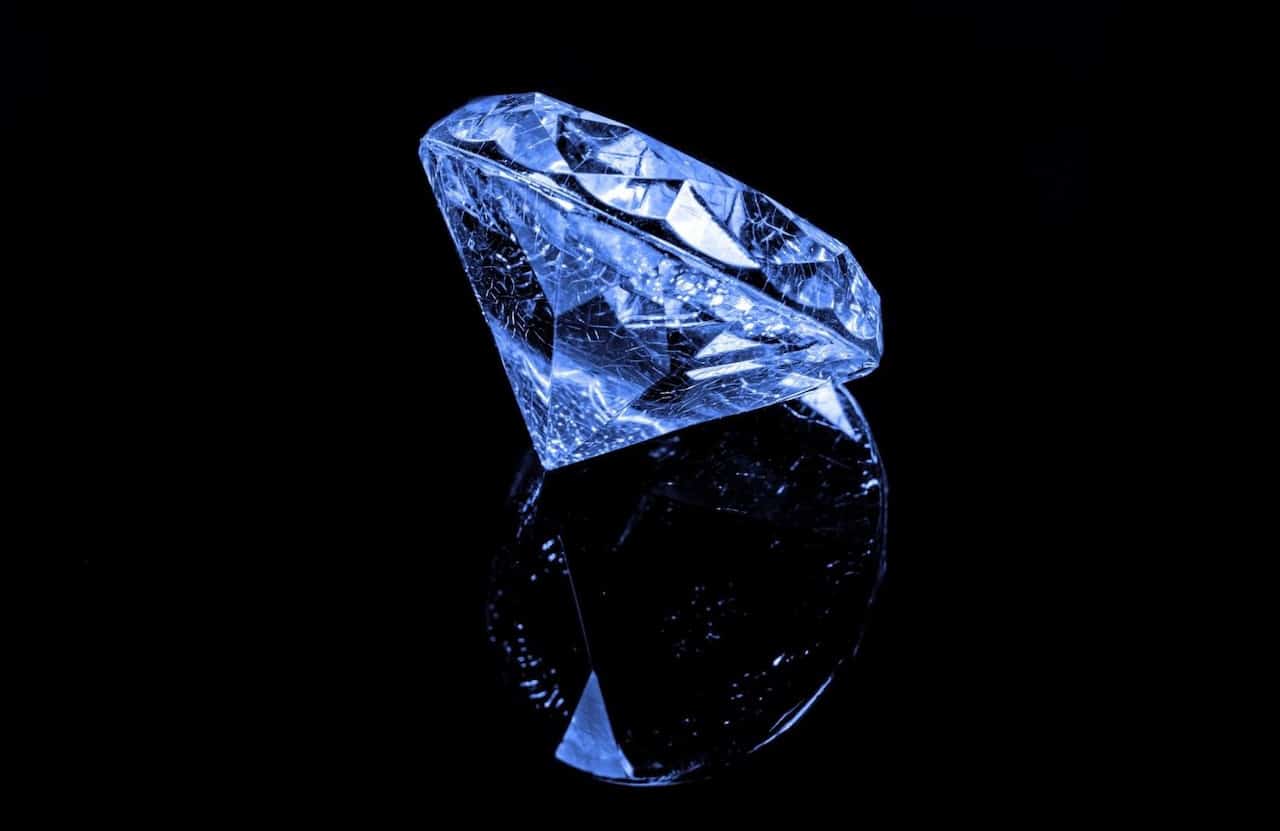
Ever looked at a sparkling diamond and felt your heart skip a beat? Mine did. But not all diamonds are created equal, and today, we’re diving into the world of sheer elegance and allure. The question on everyone’s lips: What is a VS diamond? Trust me, once you understand the magic behind VS diamonds, you’ll never look at a jewel the same way again.
So buckle up, bling enthusiasts, because we’re about to start a glittering journey to explore the mystique that makes VS diamonds the ultimate obsession for jewelry lovers. Ready for an exclusive peek into luxury? Let’s go!
Key Takeaways
- VS diamonds are graded as very slightly included on the GIA’s clarity scale.
- VS diamonds have minor inclusions that are difficult to see at 10x magnification.
- VS1 diamonds have very slight inclusions that are invisible to the naked eye.
- VS clarity diamonds offer higher quality and fewer visible inclusions than SI clarity diamonds.
What is a VS Diamond
So, what is VS diamond? VS stands for “Very Slightly Included,” which is a quality grade given to diamonds. In plain speak, it means these diamonds have tiny imperfections or ‘inclusions’ that are difficult to see even under 10x magnification. Now, I know what you’re thinking: “Inclusions? In my diamond?” But hear me out. These inclusions are often so minuscule that they’re nearly invisible to the naked eye. You practically need to be a gemologist with a microscope to spot them!
So why does this grade matter? Well, it strikes a killer balance between quality and cost. VS diamonds offer that eye-catching sparkle and brilliance we all love, without requiring us to break the bank. They’re the go-to choice if you’re after something that says ‘luxury’ but also whispers ‘smart investment.’
Let’s be real, we all want a stone that dazzles, and a VS diamond does just that, with the added bonus of being more budget-friendly than the higher-graded flawless diamonds. It’s the ultimate win-win, whether you’re eyeing that engagement ring or just looking to treat yourself. So next time you’re shopping for that perfect diamond, you’ll know exactly why VS should be at the top of your list.
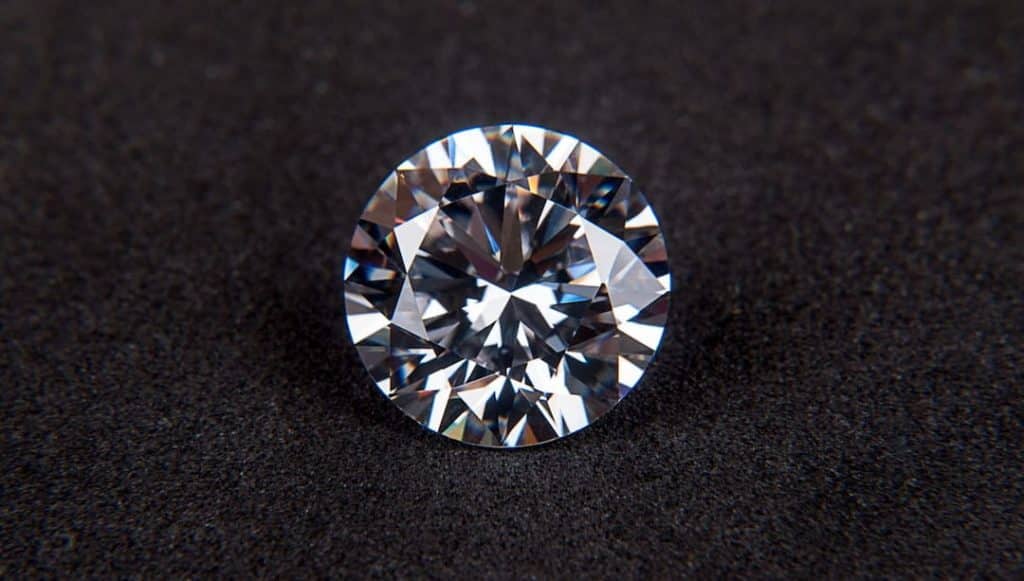
The Five Diamond Clarity Factors
Ready to play diamond detective? Awesome, because I’m diving into the fab five factors that define a diamond’s clarity and you’re coming with me! Get ready, because these are the elements that shape not just a diamond’s dazzle, but its dollar value too.
Let’s break it down:
- Size: Larger inclusions have a more significant impact on a diamond’s clarity grade and can affect its durability. The “grade setters” are the inclusions that most influence the clarity grade. The size of inclusions and their cumulative effect is assessed in relation to the overall size of the diamond.
- Nature (Type): The type of inclusion and its depth within the diamond play a role in grading. Internal features are called “inclusions,” while surface features are known as “blemishes.” Some inclusions can impact the durability of the diamond, making this a vital aspect to consider.
- Number: The more inclusions a diamond has, the lower its clarity grade will be. However, it’s not solely about the quantity; the visibility of these inclusions also plays a significant role in determining the grade.
- Location: Where the inclusion is located can influence how visible it is and, consequently, its impact on the clarity grade. Inclusions near the center or the “table” are more noticeable. Those close to the “girdle” are usually less visible but could be more vulnerable to damage. Inclusions near the pavilion can reflect multiple times due to the facet arrangement, making them appear more numerous than they are.
- Relief: This refers to how distinct the inclusion is in contrast to the diamond itself. The more pronounced an inclusion (higher relief), the more it affects the clarity grade. This also considers how well (or poorly) the diamond’s cut and facets hide or emphasize these inclusions.
Being in the know about these trio of clarity considerations—size, visibility, and inclusion type—will turn you into a bona fide VS diamond connoisseur. Choose wisely, and you’ll land a gem that perfectly aligns with your taste and budget. I know how much this knowledge can come in handy!

VS Diamond Clarity Rating
Let me decode the lingo that makes VS diamonds the go-to choice for those in the know. Here’s the lowdown on how they earn their sparkle status:
Instead of just eyeballing it, the GIA uses a tried-and-true clarity scale to dish out diamond grades. This scale evaluates our all-star lineup of factors: size, visibility, type, location, and the number of those tiny internal or external quirks known as inclusions.
Now, let’s talk about the VIPs of clarity: VS1 and VS2 diamonds. Both are nestled under the ‘Very Slightly Included’ umbrella, but trust me, they’re not identical twins.
VS1 diamonds are the more discreet of the two. They sport inclusions so slight that you’d need the eyes of a hawk—or a 10x magnification tool—to catch them. Even then, you might need the right lighting to see these shy little details.
VS2 diamonds, on the flip side, are a bit more outgoing with their inclusions. They’re generally invisible to the casual glance, but under a magnifying glass or brighter lighting, these inclusions may wave a small ‘hello.’
Being savvy about these nuanced differences can be your game-changer when hunting for a diamond that fits both your vision and your wallet. Being armed with the info to pick your perfect gem is a blessing!

Differences Between VS1 And VS2 Clarity Diamonds
Sure, both these sparklers sit pretty in the GIA’s “Very Slightly Included” club, meaning their imperfections are practically invisible to the untrained eye—even under a 10x magnifying lens! But, oh boy, do they have their unique quirks.
Here’s the plot twist: While they may seem like they’re cut from the same cloth, VS1 and VS2 diamonds have their own subtle drama when it comes to the visibility of those teeny-tiny inclusions, especially under certain lighting situations.
So, if you thought all diamonds in the VS range were identical, think again! The devil, or in this case, the dazzle, is in the details. Stay tuned to uncover what sets each grade apart in the sparkling universe of diamonds.
VS1 Clarity Diamonds
Imagine a diamond so dazzling that its tiny imperfections play a nearly invisible game of hide-and-seek. In the VS1 clarity grade, you’ve got yourself a rock that’s almost a ringer for perfection. But, and here’s the fun part, those tiny inclusions might just reveal themselves under the spotlight or a high-power magnifying glass. A little like hidden Easter eggs in your favorite movie, these details make each VS1 diamond uniquely fascinating.
Now, let’s switch gears and talk about the equally captivating VS2 diamonds. Picture a VS1’s slightly more audacious sibling. These stones come with inclusions that are a tad easier to spot but still know how to play coy. The best part? These little “beauty spots” hardly put a dent in their allure or value. In fact, to the untrained eye, a VS2 can still pass as flawless fabulousness.
So, whether you’re Team VS1 or leaning towards VS2, you’re investing in a gem that combines eye-popping beauty with excellent value. How’s that for a win-win?
VS2 Clarity Diamonds
Let’s zoom in on VS2 clarity diamonds, the ever-so-slightly more outgoing cousins to the more reserved VS1s. Think of VS2 diamonds as the extroverts at the gem party; their inclusions aren’t afraid to step into the spotlight—especially under strong lighting or when scrutinized with 10x magnification. Yes, they’re nearly invisible to the naked eye, but bring out that magnifying glass and let the room light up, and suddenly they’re the life of the party!
But wait, there’s more. The world of VS2s isn’t one-size-fits-all. It’s a spectrum! Some VS2 diamonds can play the part of the elusive beauty with hardly any visible flaws, while others flaunt their inclusions and blemishes like badges of unique character.
So, if you’ve got your eye on a VS2, don’t just swipe right. Take your time. Peek under the hood—er, magnification. Check out the diamond’s size, scrutinize those quirky inclusions, and then make your grand decision. This extra homework is your golden ticket to landing a VS2 diamond that’s every bit as scintillating as you’d dreamed.

How GIA Determines Clarity Grades For Diamonds
The Gemological Institute of America, or GIA, is the gold standard here. They grade diamonds on a clarity scale that goes from Flawless to Included, and our faves—the Very Slightly Included or VS diamonds—sit comfortably in the middle.
What’s under the microscope? Inclusions (think tiny internal quirks like crystals or knots) and blemishes (external nicks or scratches). GIA checks out these details under a 10x magnifying lens and even gives each diamond a unique “fingerprint” diagram showing where these tiny imperfections are.
Why does this all matter? GIA’s meticulous grading helps you, the diamond shopper, make savvy choices that match your style and wallet. So the next time you’re diamond hunting, you’ll know exactly what you’re looking at.
Related Diamond Guides
- What Is a VS1 Diamond? — a closer look at the higher of the two VS grades.
- What Is a VVS Diamond? — the near-flawless grade just above VS.
- What Are SI Diamonds? — the budget-friendly grade just below VS.
- What Is a Good Clarity for a Diamond Ring? — how to choose the right clarity grade.
- What Is an Inclusion in a Diamond? — the flaws clarity grades measure.
Frequently Asked Questions
How does the visibility of inclusions in a VS diamond compare to other clarity grades?
The visibility of inclusions in VS diamonds is generally less compared to lower clarity grades. VS diamonds have minor inclusions that are difficult to see at 10x magnification, offering a less flawed appearance.
What factors should I consider when choosing between a VS1 and a VS2 diamond?
When choosing between a VS1 and a VS2 diamond, factors to consider include the visibility of inclusions under certain lighting conditions and magnification, variations in clarity within the VS2 range, and the overall appearance of the diamond.
Are there any specific types of inclusions that are more common in VS diamonds?
Common types of inclusions found in VS diamonds include crystals, knots, and surface-reaching features. These inclusions are small relative to the diamond’s size and may be difficult to see at 10x magnification.
Can the clarity of a VS2 diamond vary within the VS2 range?
Yes, the clarity of a VS2 diamond can vary within the VS2 range. This means that some VS2 diamonds may have more visible inclusions than others, making careful selection important to ensure an eye-clean appearance.
Apart from clarity, what other factors should I consider when buying a VS clarity diamond?
When buying a VS clarity diamond, it is important to consider factors such as the size of the diamond, overall appearance under magnification, type of inclusions, and the reputation of the retailer.
Conclusion
So here’s the final sparkle on this gem of a topic: a VS diamond is like the VIP lounge of the diamond world, at least when it comes to the GIA’s clarity scale. You’re getting a rock with a lot less drama—think minor inclusions that play hard to find even under 10x magnification. That’s like getting first-class flair without the sky-high price tag.
Dive a bit deeper, and you’ll find two unique personalities within the VS family: the discreet VS1 and its slightly more flamboyant sibling, the VS2. Each has its own unique quirks that are near impossible to catch with the naked eye.
But listen, no two diamonds are the same. So when you’re ready to commit, eye that sparkle from every angle, scrutinize those teeny quirks, and make sure you’re shopping with a retailer who’s as reputable as they come.
Because let’s be real, a diamond with killer clarity isn’t just a stone; it’s a star that lights up your very own night sky. With all this wisdom, you’re ready to find your star!